March 19, 2024
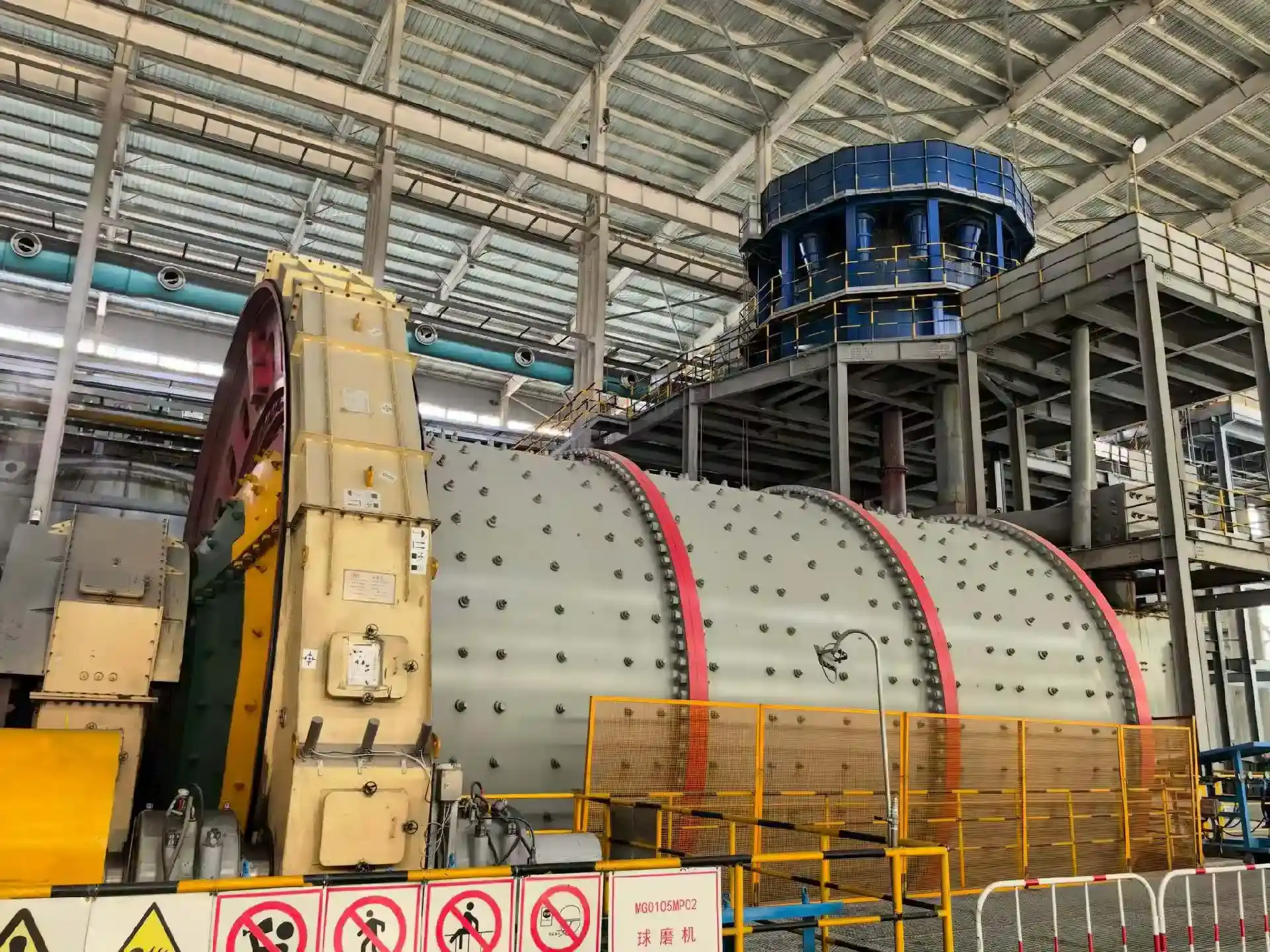
Deployed in a cement clinker grinding mill, these high-chromium cast grinding balls feature stable hardness and low breakage. They help us maintain consistent grinding output and lower long-term consumable costs.
Nov 25, 2026
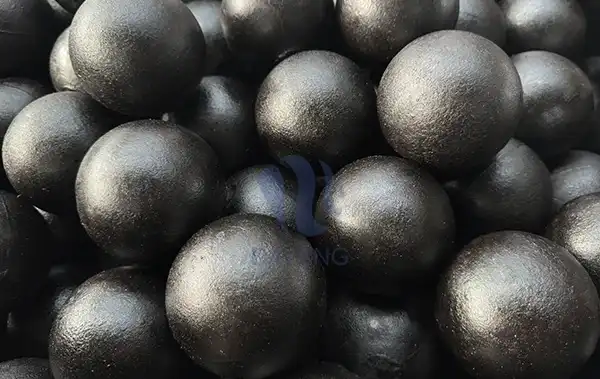
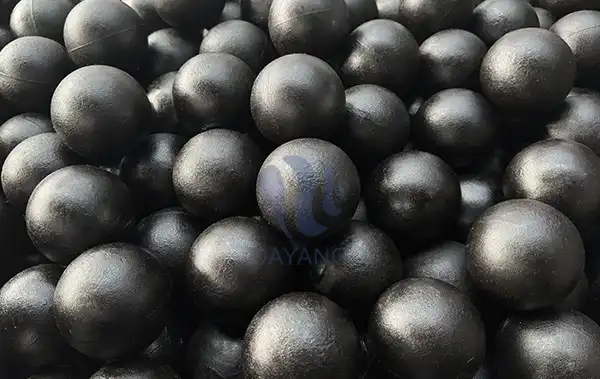
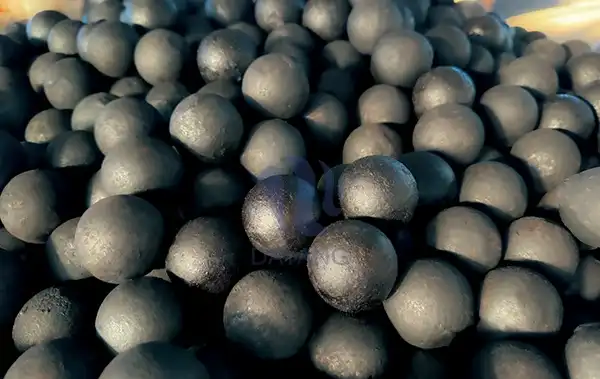
For tough, hard-rock handling jobs in the mining, cement, and metalworking industries, high chrome balls are the best grinding media and should be used. The high chromium content and advanced metallurgical engineering in these special grinding media make them very resistant to wear and long-lasting even in the harshest circumstances. In contrast to regular steel grinding media that breaks down quickly under high impact and friction pressures, high chrome casting balls keep their structure while consistently grinding. Their higher hardness and ability to stay stable at high temperatures make them very useful for working with quartz, granite, iron ore, and other rough materials that need reliable, long-lasting grinding solutions to keep operations running smoothly. There are some problems that are unique to grinding hard rock, such as high abrasion, contact loads, and the possibility that heat will damage the grinding surface. Picking the right grinding media has a direct effect on how well the machine works and how much it costs to maintain. This article talks about why high chrome balls are perfect for hard rock grinding processes, focusing on their technical benefits and practical uses in the business world. Global B2B procurement professionals can make better choices about how to improve their grinding processes if they understand these factors.

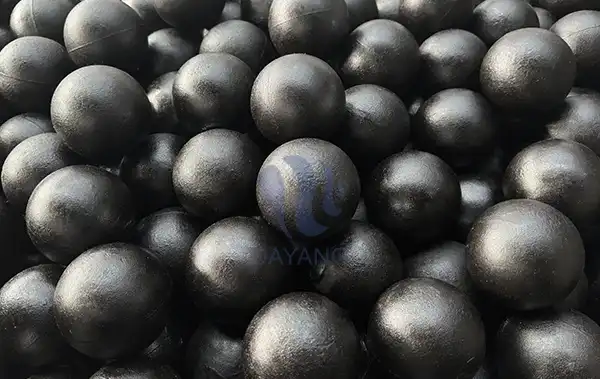
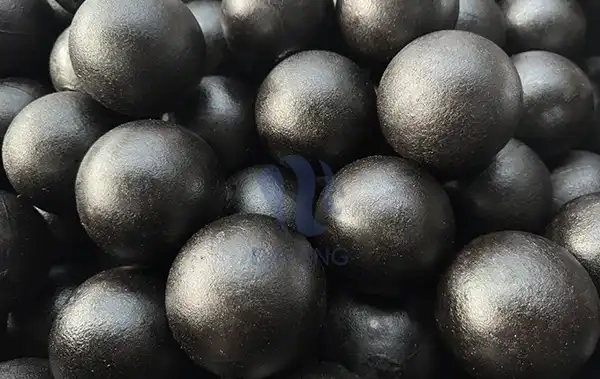
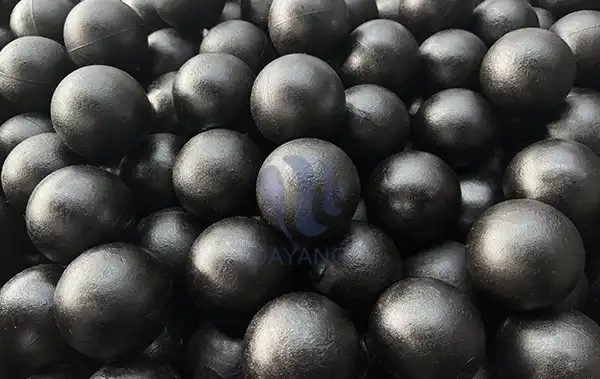
Specifically designed for tough industrial uses, high chrome balls are a type of grinding media that is unique. The chromium content in these precisely made spheres is high, usually between 10% and 30%. The carbon content is carefully controlled to get the best strength and wear resistance.
Precision metal formation is the first step in the manufacturing process. This is where high-grade chromium, carbon, and iron are mixed in controlled amounts. For this mixture to have the right microstructural properties, it goes through complex casting processes and then heat treatment processes. The grinding media that was made is between 58 and 65 HRC, which is much harder than regular steel balls, which are usually between 45 and 55 HRC. Advanced heat treatment methods make sure that the hardness of each ball is the same across its cross-section. This consistency stops early failure modes that are common in surface-hardened options. The controlled cooling processes make carbide structures that are very resistant to abrasive wear while still having the impact toughness needed for ball mill operations.
When grinding at high speeds, which creates a lot of heat, these media show amazing thermal stability. Their chromium-rich carbide structure doesn't break down in heat, so they stay hard even at high temperatures. This temperature stability is very important in high-energy grinding circuits, where regular media gets softer and wears out faster. Another important benefit is that it doesn't rust, which is especially useful when grinding in water or handling ores that contain sulfides. The chromium presence creates protective oxide layers that are resistant to chemical attack. This makes the media last longer in harsh settings, high chrome balls, where regular steel media breaks down quickly.
It is clear that chrome grinding balls are better than other options when you compare how well they work in tough, hard rock situations. Through comparative research, big benefits are found in a number of operating areas.
When grinding hard rock materials, standard steel grinding balls usually lose 100 to 150 grams of weight for every ton of ore they work with. On the other hand, high chrome balls wear down 30 to 60 grams per ton less quickly under the same conditions. With this huge improvement, the service life is now two to three times longer, which means that it doesn't need to be replaced as often and doesn't cost as much to do so. The balls' higher strength and improved composition make them more resistant to wear. Chrome carbides spread out in the matrix create wear-resistant surfaces that don't go away as the ball gets smaller. This ability to keep itself sharp keeps the ball spinning efficiently for as long as it is used.
Initial prices for high chrome grinding media are 40–60% higher than those for normal steel balls, but the total cost of ownership is much lower. Less frequent replacing cuts down on the downtime needed for media changes, which lowers production costs. High chrome balls are also better at grinding, which often means that more work can be done or less energy is used per ton handled. Maintenance costs go down in more ways than just replacing media. For example, the lining wear goes down. These grinding balls have a controlled breakage pattern and a uniform size distribution. This means that they don't hurt mill linings as much when they hit them, so they last longer and cost less to maintain generally.
Chrome grinding balls are better at grinding because they can keep the ball charge distributed in the best way possible. Their controlled wear properties stop the balls from losing their shape quickly, which happens with regular steel ball charges and makes grinding less effective. This stability makes sure that the product is always fine and stops it from being overground, which can hurt handling further down the line.
To get the best performance and value, choosing the right chrome grinding media requires a careful look at a number of technical and business factors.
The choice of chromium content relies on the things being worked on and how hard and rough they are. When working with very hard quartzite or taconite ores, higher chromium grades (25–30%) are best. When working with relatively hard materials, medium chromium levels (15–20%) may be best. The right amount of carbon must be present to get the right hardness without lowering the toughness. Choosing the right size follows well-known rules for ball mill design. The best widths of high chrome balls depend on the size of the mill, the properties of the rock, and the size of the product that you want to make. The right distribution of sizes within the charge makes sure that energy is transferred efficiently and wear patterns are regular. Standard sizes for high chrome balls range from 20 mm to 125 mm in diameter. Custom sizes can also be made for specific uses.
When choosing high chrome balls providers, quality uniformity is the most important thing to look at. For each production batch, reputable companies use full quality control systems that check for things like chemical analysis, hardness tests, and microstructural inspection. Having ISO 9001 certification is another way to make sure that the quality control systems and manufacturing processes are reliable. For big businesses that need regular supplies, production capacity and delivery reliability become very important factors. Suppliers with enough production capacity and well-established logistics networks can offer reliable delivery plans that keep operations running smoothly.
Leading providers can customize their products by giving you options like different metal compositions, different heat treatment options, and different size ranges that are perfect for your individual needs. Technical support services, such as programs that track wear and suggestions for how to make things work better, add value that makes high-quality goods worth the extra cost.
Using high chrome balls correctly means paying attention to the right ways to put them, keeping an eye on them, and fixing them so that they work as well as possible.
When you first load the mill, you should follow standard methods for distributing balls of different sizes and adding a total charge amount. When switching from steel to chrome balls, a full charge change makes sure that the wear is equal and there are no compatibility problems. Gradual replacement plans can be used, but they need to be closely watched to make sure that grinding performance stays high during the changeover times. Chrome balls have a higher specific gravity than steel balls, which needs to be taken into account when figuring out the ball charge density. This difference changes the power draw and the way the grinding works, so the working settings may need to be changed for the best performance.
Monitoring the wear rate on a regular basis gives useful information for figuring out how many balls to use and when to change them. As part of the sampling process, you should look at the spread of ball sizes and check their hardness to find any quality differences or strange wear patterns. During adoption, mill efficiency factors such as power draw, product size distribution, and throughput should be kept an eye on. These measures help figure out how much better performance and cost benefits the upgraded grinding media brought about.
Early wear could mean that high chrome balls, the wrong ball grade was chosen, or that the working conditions are not ideal. Talking to technology experts can help you figure out what's wrong and suggest ways to fix it. Some common options are to change the mill speed, change the spread of ball sizes, or choose different types of chromium that work better in certain situations. Quality balls rarely break, but problems can happen if they are hit too hard or if there are problems with the way they were made. Good contact with suppliers makes sure that quality problems are fixed quickly and that preventative measures are put in place.
With their high chrome content, high chrome balls have become the best choice for grinding hard rocks in many different industries. Their superior resistance to wear, safety at high temperatures, and ability to be ground efficiently make them clearly superior to traditional steel options. The longer service life and better performance qualities lead to big savings in running costs and higher productivity. Even though the original investment costs more than normal grinding media, the total cost of ownership clearly shows economic benefits through less frequent replacement, less downtime, and better grinding efficiency. Modern production techniques guarantee uniform quality and a steady supply for businesses around the world that need reliable grinding solutions.
Regular steel balls have a much lower chromium content (10–30%) than high chrome balls. This makes them harder (58–65 HRC vs. 45–55 HRC) and more resistant to wear. This improved makeup has a service life that is two to three times longer and grinds harder rocks more efficiently.
The amount of chromium used relies on how hard and rough the things being worked on are. Ores that are very hard, like quartzite, need higher grades of chromium (25–30%). On the other hand, materials that are fairly hard work well with middle levels of chromium (15–20%). Talking to technology experts can help you make the best choice.
Chrome grinding balls usually last two to three times longer than steel balls. However, this depends on the strength of the rock, the conditions of the mill, and the quality of the balls. Good balls can handle between 3,000 and 5,000 tons of ore for every ton of media they use in hard rock uses.
It is scientifically possible to mix different types of balls, but it is not a good idea because it leads to random wear patterns and poor grinding performance. Full charge change makes sure that the wear is even and gets the most out of chrome grinding media.
Look for providers that have ISO 9001 certification, full quality control systems, and written processes for chemical analysis and hardness tests. Companies with a good reputation offer thorough quality certificates and expert help.
You can trust NINGHU as a producer of high chrome balls because they have over thirty years of experience making grinding media that doesn't wear down easily. Our advanced production facilities and quality systems, which are ISO 9001 approved, make sure that you always get high-quality chrome grinding balls that are made to fit your hard rock grinding needs. We offer stable supply options for the mining, cement, and metallurgical industries around the world. Our yearly production capacity is 50,000 tons, and we can make any changes that are needed. Our expert support team can help you improve the efficiency and cost-effectiveness of your grinding processes by giving you personalized advice. Get in touch with our experts at sales@da-yang.com or sunny@da-yang.com to talk about your unique needs and take advantage of our low prices for large orders.
1. Cleary, P.W. "Predicting charge motion, power draw, segregation and wear in ball mills using discrete element methods." Minerals Engineering Journal, Vol. 11, No. 11, 1998, pp. 1061-1080.
2. Austin, L.G., Klimpel, R.R., and Luckie, P.T. "Process Engineering of Size Reduction: Ball Milling." Society of Mining Engineers, American Institute of Mining, Metallurgical and Petroleum Engineers, 1984.
3. Napier-Munn, T.J., Morrell, S., Morrison, R.D., and Kojovic, T. "Mineral Comminution Circuits: Their Operation and Optimization." Julius Kruttschnitt Mineral Research Centre, University of Queensland, 1996.
4. Bond, F.C. "Crushing and Grinding Calculations." British Chemical Engineering, Vol. 6, No. 6, 1961, pp. 378-385.
5. Radziszewski, P. "Exploring Total Media Wear." Minerals Engineering Journal, Vol. 15, No. 12, 2002, pp. 1073-1087.
6. Aldrich, C. "Consumption of Steel Grinding Media in Mills - A Review." Minerals Engineering Journal, Vol. 49, 2013, pp. 77-91.
March 19, 2024
Deployed in a cement clinker grinding mill, these high-chromium cast grinding balls feature stable hardness and low breakage. They help us maintain consistent grinding output and lower long-term consumable costs.
June 24, 2025
Used in a copper-ore wet-grinding ball mill, the grinding balls show durable wear resistance under non-stop 24-hour operation. Stable grinding performance reduces frequent mill inspections for abnormal ball damage.
August 12, 2025
Used in an iron-ore grinding mill, these high-chromium cast grinding balls maintain uniform hardness from batch to batch. They withstand sustained heavy-load impacts well with minimal breakage, and reliable wear performance keeps our throughput steady over long operating cycles.
October 07, 2025
Adopted for a gold-ore grinding mill, these high-chromium cast balls have evenly distributed hardness. They hold up well under complex abrasive conditions, and their consistent wear profile helps us achieve fine, uniform particle size throughout service.
January 15, 2026
Applied in a limestone grinding production line, the cast steel balls perform reliably under fluctuating load conditions. Well-balanced wear characteristics effectively cut down unplanned downtime.