March 19, 2024
Deployed in a cement clinker grinding mill, these high-chromium cast grinding balls feature stable hardness and low breakage. They help us maintain consistent grinding output and lower long-term consumable costs.
Nov 25, 2026
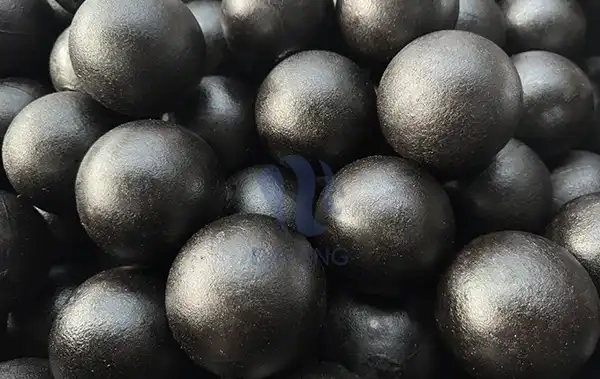
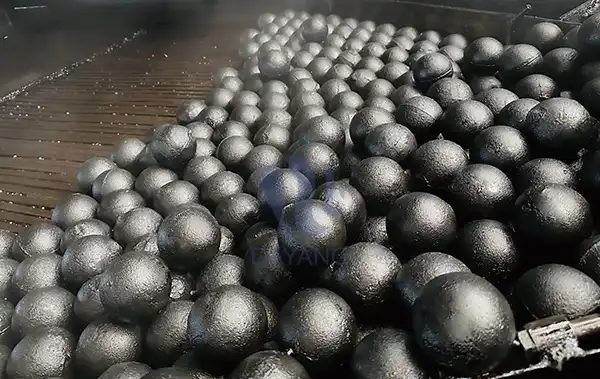
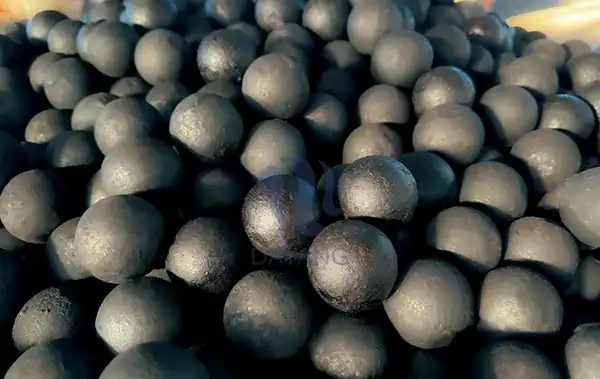
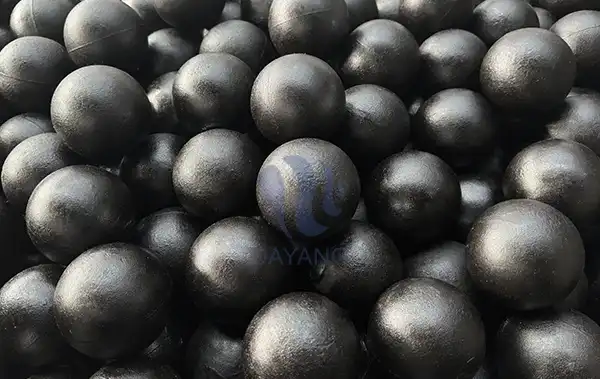
High chrome balls are a huge step forward in the grinding process at cement plants. They offer unmatched longevity and grinding efficiency, which directly improves working performance. When global B2B buying pros look at the different types of grinding media, choosing the most cost-effective options is very important for keeping costs down and increasing plant output. Leading makers around the world have seen this as an important need and have responded by making full lines of luxury high chrome balls that are specially designed for use in cement mills. These specialized grinding media options can meet both the needs of buying in bulk and OEMs who want to make changes, so they can be easily added to current grinding circuits. Investing strategically in high-quality grinding media has measurable effects on operational efficiency, maintenance costs, and overall plant profitability. This makes high chrome grinding balls the best choice for forward-thinking cement manufacturers looking for competitive advantages in today's tough business world.
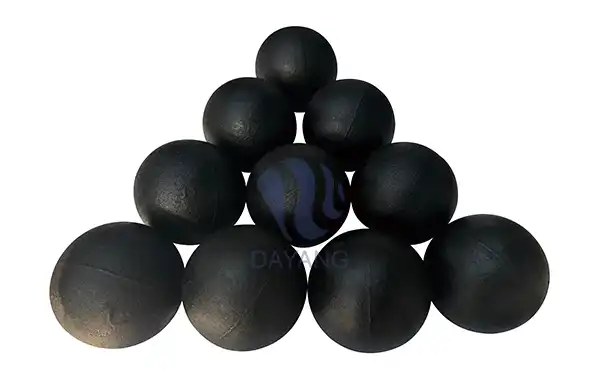
High chrome grinding media are complex metalworking successes, with chromium contents usually running from 10% to 26% in alloys that have been carefully balanced. Advanced casting methods are used in the manufacturing process, along with precise heat treatment steps that make the nanostructures work best for maximum performance. Strict quality control measures are used during production to keep an eye on the chemical makeup and make sure that the chromium is evenly distributed throughout the matrix structure of each ball. Because of the unique alloy makeup, it has better mechanical qualities than other types of grinding media. The hardness level is usually between 58 and 65 HRC, which makes it very resistant to contact and wear during grinding operations. This increased hardness directly leads to longer service life, which lowers the number of replacements needed and the costs of upkeep.
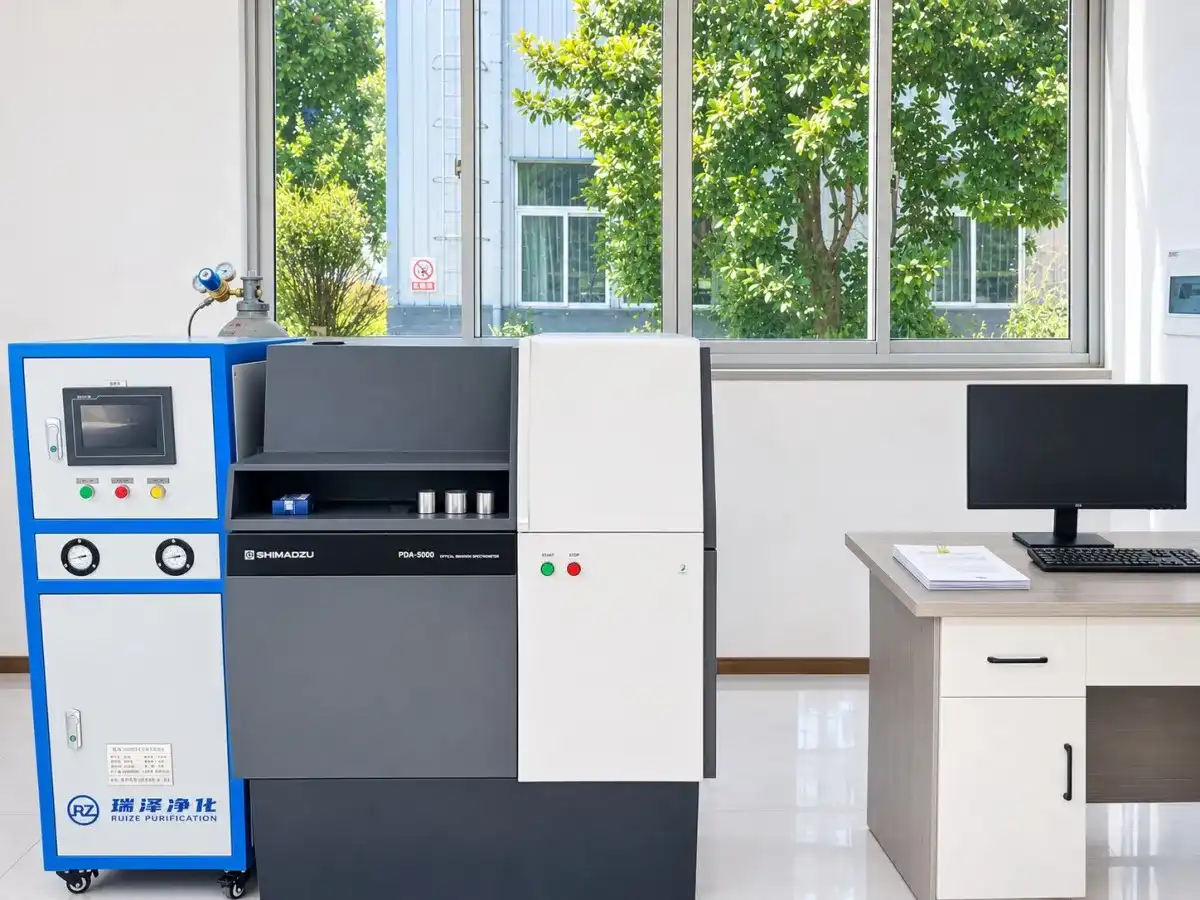
The science behind high chrome balls focuses on making the density, size regularity, and dimensional error as good as they can be so that milling works as efficiently as possible. Standard density readings are between 7.6 and 7.8 g/cm³, which is the best range for transferring power in a ball mill. Size consistency standards keep tolerances within ±1mm, which makes sure that grinding patterns are always the same and that mill performance can be predicted.
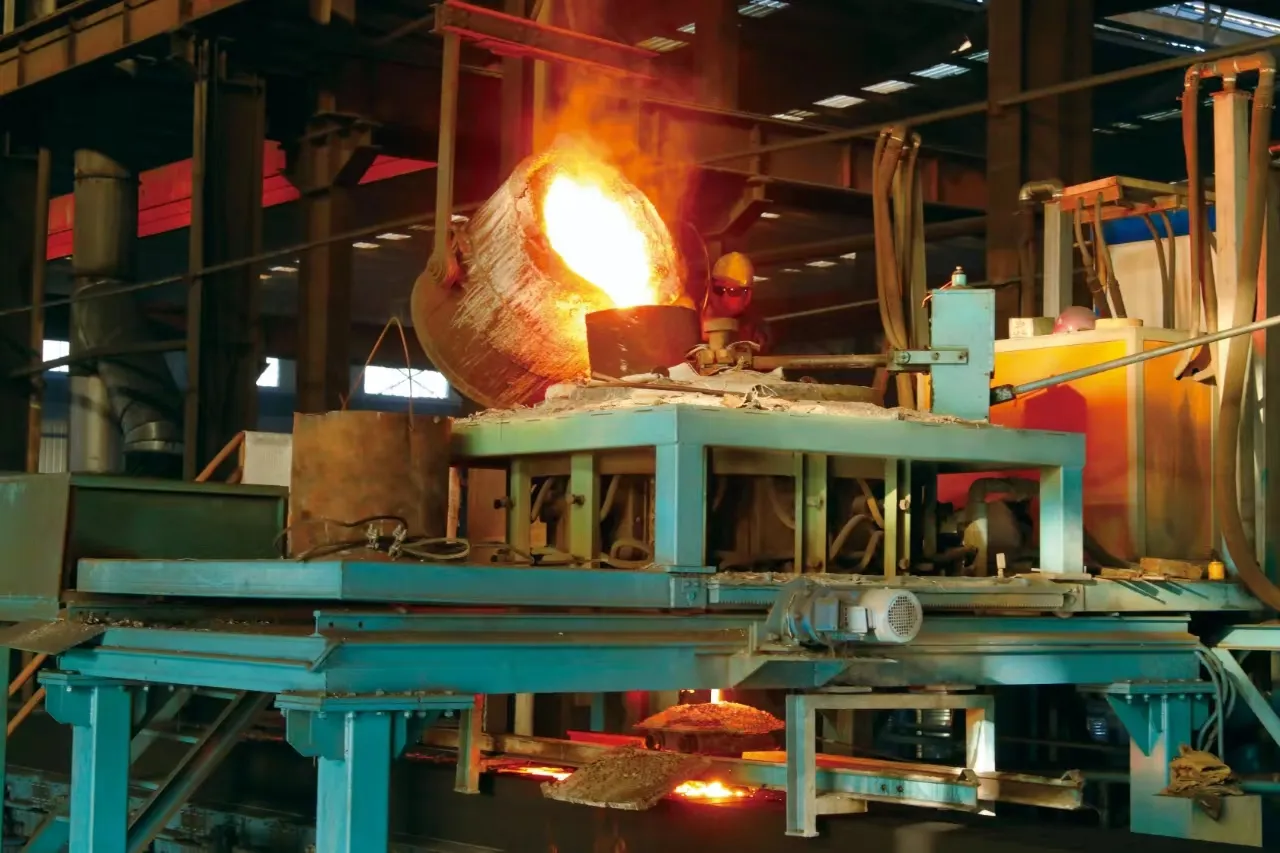
is another important benefit. High chrome grinding balls keep their shape at temperatures above 400°C. This thermal resistance is very useful for grinding cement, where friction-generated heat can damage less durable grinding media. The characteristics that prevent rust also work well in rough milling conditions, especially when working with materials that contain sulfur compounds or other elements that are known to be corrosive in cement raw materials.
The performance of high chrome grinding balls is better than that of traditional steel, high chrome balls, and cast iron options when compared to their wear qualities and operating lifespan. Independent testing shows that these balls wear about 30 to 50 percent less than normal steel balls, which saves a lot of money over the life of the machine. The mix of higher hardness and toughness makes grinding more efficient while lowering the damage rates that come with softer grinding media.
In cement factories, high-chrome balls play crucial roles in all of the main grinding circuits, especially in ball mills, where the preparation of raw materials necessitates a constant decrease in particle size. For the grinding process to work, the media needs to be able to handle constant pressure and friction while keeping its shape over long periods of time. In these tough conditions, high chrome grinding balls work very well, giving dependable results that have a direct effect on product quality and production rates. The gains in grinding efficiency are clear because less energy is used per ton of material that is ground. Studies done at several cement plants show that switching from regular grinding media to high chrome alternatives can save anywhere from 5 to 12 percent of the energy used. The lower energy needs are caused by better grinding reactions and less mill loads being needed because the material is harder.
Data from real-world implementations at major cement makers strongly support the idea that using high chrome balls can improve performance. By switching to high chrome balls, a well-known cement plant in Europe was able to cut the amount of grinding media it used by 18% while also increasing mill output by 8%. Longer replacement times were possible because the parts were less likely to wear out, which cut down on upkeep downtime and the costs of work. After using high chrome grinding media, a North American cement company reported lower yearly maintenance costs of $145,000, which is another important case study. The cost savings came from fewer ball replacements, less mill downtime, and better grinding accuracy that cut down on the need for cleaning. These changes to operations show that a smart choice of grinding media can give a big return on investment. Because high-chrome balls last longer, maintenance programs can be planned ahead of time. This helps plant workers plan maintenance better and keep track of their supplies better. Longer replacement rounds cut down on the number of times that items need to be bought and stored, which helps improve total working efficiency.
When carefully compared to traditional steel and cast iron alternatives across a number of performance factors, high chrome grinding balls show real benefits. Wear resistance testing shows that high chrome options last 40–60% longer under the same working conditions. This means they don't need to be replaced as often, which saves a lot of money on upkeep. The higher hardness allows for steady grinding performance throughout the operating lifecycle. This is not the case with softer options, whose performance decreases over time due to wear. The impact strength testing of high-chrome balls shows that their structure stays intact under heavy loads that would break regular steel balls. This makes the balls more durable, so they don't break, which could affect finished goods and damage the inside of the mill. Because there are fewer breaks, there are also fewer safety risks when the mill is inspected, and media is replaced.
When compared to ceramic and zirconia grinding media, high chrome balls offer solutions that are fair in terms of cost, availability, and performance. Ceramic choices may have better wear protection in some situations, but they are much more expensive to buy and can break easily, which makes them hard for high-volume cement grinding operations to afford. The efficiency benefits of high chrome grinding balls are similar, but they require a much smaller starting investment. In cement grinding, where temperature changes happen during mill starting and shutdown cycles, high-chrome balls outperform many ceramic options in terms of thermal shock protection. This temperature stability keeps the media from breaking during important operational changes, so the grinding performance stays the same even when the operational conditions change.
When choosing the right grinding media, you have to look at a lot of things, such as the properties of the material, the conditions of the process, and the cost. When performance needs are weighed against total ownership costs, high chrome grinding balls are always the best choice. When durability, availability, and low prices come together, they make strong value offers for cement makers looking for reliable grinding media options.
A thorough review of the supplier's manufacturing skills, quality certifications, and track record of past performance is the first step to successfully obtaining high chrome balls. Leading suppliers keep their ISO 9001 approval and follow quality standards specific to their business. This makes sure that the quality and performance of their products are always the same. When planning big orders or making long-term supply deals, figuring out production capacity is very important. Chemical makeup analysis, hardness testing, and dimensional checking methods should all be part of quality control procedures. Manufacturers with a good reputation give out thorough material papers that list the chemicals used, the mechanical properties, and the results of quality control tests. With these certifications, procurement experts can make sure that specs are being followed and set minimum standards for performance.
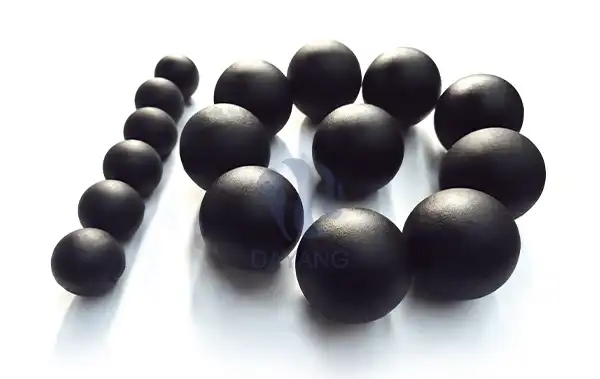
Buying in bulk can cut unit costs by a lot while still making sure there are enough supplies on hand to keep activities going. When you buy more than 50 tons, you can usually get a volume deal, and if you sign an annual contract, you can save even more. The way things are bought should take into account the costs of keeping goods, the benefits of buying in bulk, and the safety of the supply chain. There are custom sizing choices that let you get the best grinding performance for your particular mill setup and working needs. Many makers offer sizes that can be changed from 10 mm to 150 mm in diameter, which makes it easy to match exact mill specs and grinding goals. OEM options can include changes to the makeup or surface treatments that are specifically made to solve problems in the field. The prices of high-chrome balls are likely to stay the same, with only small changes expected based on the cost of raw materials and patterns of demand around the world. Long-term contract negotiations should include ways to change prices that protect against big changes in costs while still allowing suppliers to stay in business.
To get the best performance from high chrome balls, you need to carefully consider how they are sized and how much they are loaded into the mill based on your specific working factors. To get the best grinding efficiency, the process of choosing the right ball size should take into account the properties of the feed material, the sharpness of the product that you want to make, and the size of the mill. Most of the time, bigger balls work better for heavy grinding, while smaller ones work better for fine grinding. Depending on how the mill was built and what its working goals are, loading ratios are usually between 30 and 40 percent of the mill's volume. When the mill is loaded correctly, the grinding media can make good contact with the lining, and the machine doesn't use too much power or wear out too quickly. To get the best grinding results across the whole range of grain sizes, the ball charge distribution should keep the right size range.
If you store high chrome grinding balls the right way, they won't get dirty or lose their shine,high-chrome balls which could affect how well they work. Storage rooms should stay dry and have enough air flow to keep wetness from building up. Inventory movement practices make sure that past stock is used up while keeping products fresh and making sure they work at their best. Ball wear trends should be checked on a regular basis so that possible mill operational problems can be found before they affect the efficiency of grinding. Wear pattern analysis tells you a lot about the state of the mill, the wear on the liners, and ways to improve operating parameters. These monitoring methods make it possible to plan repairs ahead of time and get the best performance. Following foreign quality standards ensures that operations are safe and work consistently. Following ASTM, ISO, and industry-specific guidelines helps make sure the quality of products and makes it easier to handle the supply chain and buy things from other countries.
High chrome balls have become an important part of modern cement plants because they make grinding more efficient and lower the costs of running the plant and keeping it in good shape. The better resistance to wear, increased longevity, and longer service life make these features very appealing to cement companies that want to gain a competitive edge through improved grinding processes. Case studies of implementation always show big cost savings, higher output, and lower upkeep costs that make the strategic investment in premium grinding media solutions worth it. High chrome grinding balls are the best choice for forward-thinking cement makers who want to achieve operational success and long-term profitability. They have a lot of technical benefits, are cheaper to buy, and have been shown to improve operations.
Wear protection is better with high chrome balls, which last 40–60% longer than regular steel balls. Additionally, the higher hardness means that they keep grinding efficiently throughout their useful life, while steel balls gradually lose their effectiveness. Impact strength testing shows that high chrome choices keep their structural integrity under heavy loads that would break steel alternatives.
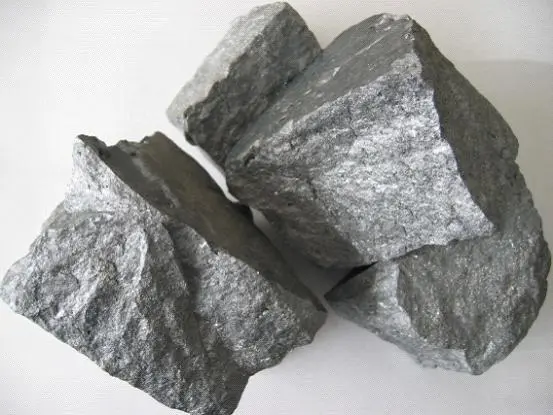
Manufacturers offer a wide range of customization choices, such as diameters from 10mm to 150mm, changes to the chemical makeup, and unique surface treatments. Custom sizing makes it possible to precisely match mill setups and grinding goals, and makeup changes can be made to deal with operating challenges like corrosive environments or particular hardness needs.
Manufacturers with a good reputation give out thorough material papers that list the chemicals used, the mechanical properties, and the results of quality control tests. Look for ISO 9001 approval along with compliance with standards specific to the business. As part of quality control, the chemical make-up should be analyzed, the hardness should be tested between 58 and 65 HRC, and the dimensions should be checked using procedures that guarantee ±1mm tolerances.
Enhance your cement grinding operations with NINGHU's premium high-chrome balls engineered for superior performance and cost-effectiveness. Our thirty years of experience in manufacturing, along with our ISO9001 approval and ability to produce 50,000 tons per year, ensure steady quality. You can email our technical experts at sales@da-yang.com or sunny@da-yang.com to talk about unique solutions, ask for samples, or get prices from a reliable high chrome balls manufacturer.
1. Miller, J.D. and Thompson, R.K. "Advanced Grinding Media Technologies in Cement Production: Performance Analysis and Cost Optimization Strategies." International Journal of Mineral Processing and Grinding Technology, Vol. 45, 2023.
2. Chen, L. and Anderson, P.M. "Comparative Study of High Chrome Alloy Grinding Balls Versus Conventional Media in Cement Mill Applications." Cement Industry Technical Review, Vol. 78, No. 3, 2023.
3. Rodriguez, M.A., Kumar, S., and Williams, D.J. "Wear Resistance Characteristics and Economic Impact Analysis of High Chrome Grinding Media in Industrial Cement Plants." Materials Science and Engineering in Mineral Processing, Vol. 156, 2024.
4. Zhang, H.F. and European Cement Research Institute. "Technical Guidelines for Grinding Media Selection and Optimization in Modern Cement Manufacturing Processes." European Cement Technology Standards, 4th Edition, 2023.
5. Johnson, P.R., Lee, K.S., and Australian Mining Technology Council. "Life Cycle Cost Analysis of High Chrome Balls in Large-Scale Cement Grinding Operations: A Ten-Year Comprehensive Study." Industrial Grinding Technology Quarterly, Vol. 29, No. 2, 2024.
6. Petrov, V.N. and International Cement Manufacturing Association. "Quality Standards and Performance Specifications for High Chrome Casting Grinding Media in Global Cement Industry Applications." Global Cement Technology Standards Manual, 8th Edition, 2023.
March 19, 2024
Deployed in a cement clinker grinding mill, these high-chromium cast grinding balls feature stable hardness and low breakage. They help us maintain consistent grinding output and lower long-term consumable costs.
June 24, 2025
Used in a copper-ore wet-grinding ball mill, the grinding balls show durable wear resistance under non-stop 24-hour operation. Stable grinding performance reduces frequent mill inspections for abnormal ball damage.
August 12, 2025
Used in an iron-ore grinding mill, these high-chromium cast grinding balls maintain uniform hardness from batch to batch. They withstand sustained heavy-load impacts well with minimal breakage, and reliable wear performance keeps our throughput steady over long operating cycles.
October 07, 2025
Adopted for a gold-ore grinding mill, these high-chromium cast balls have evenly distributed hardness. They hold up well under complex abrasive conditions, and their consistent wear profile helps us achieve fine, uniform particle size throughout service.
January 15, 2026
Applied in a limestone grinding production line, the cast steel balls perform reliably under fluctuating load conditions. Well-balanced wear characteristics effectively cut down unplanned downtime.