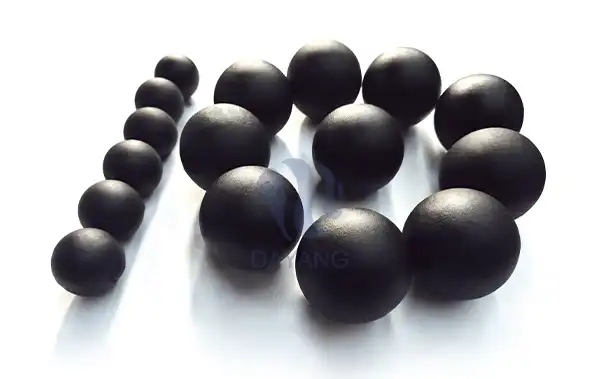
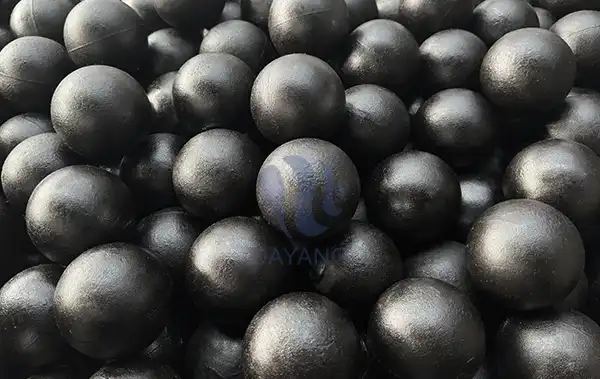
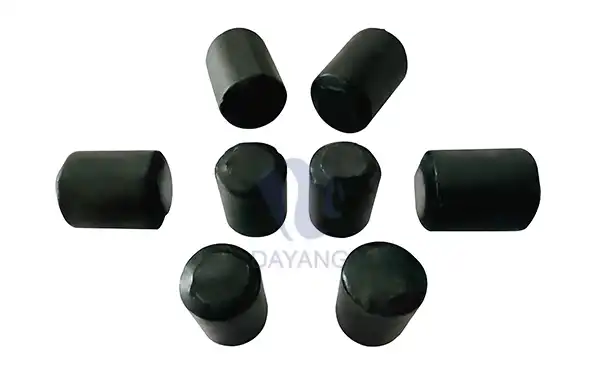
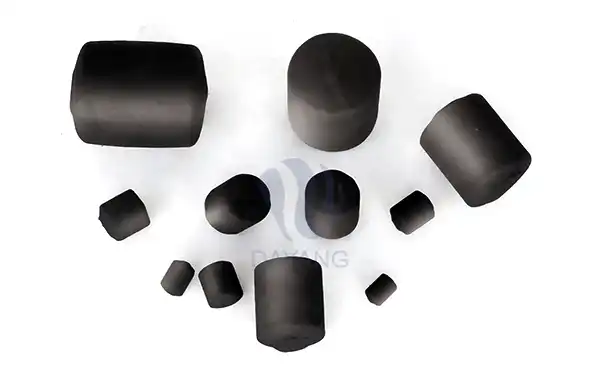
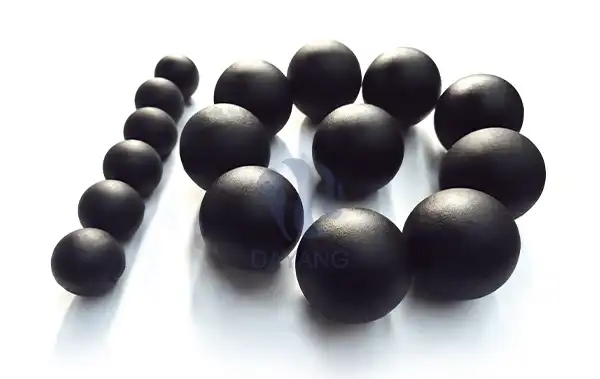
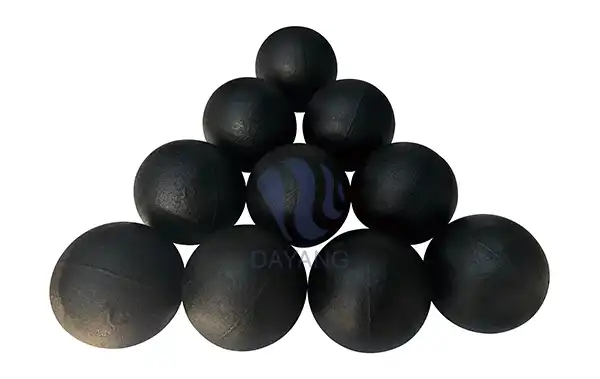
For industrial enterprises around the world, finding a trustworthy provider of cement grinding balls that offers outstanding value and long-lasting durability continues to be a major difficulty. The worldwide grinding media market is still developing, and producers are looking for the best possible balance between upfront investment costs and long-term performance gains. In cement production operations, high-quality grinding balls maximize throughput while decreasing downtime, which has a substantial impact on operational efficiency. For procurement teams overseeing large-scale industrial activities, it becomes crucial to comprehend supplier capabilities, quality indicators, and pricing fluctuations.
Understanding Global Pricing Dynamics for Grinding Media
Factory Direct Pricing Structures
Depending on the chromium content and manufacturing requirements, FOB costs for cement grinding media normally range from $800 to $1,800 per metric ton. Low-chrome alternatives provide affordable solutions for particular applications, whereas high-chrome grinding balls fetch premium price because of their higher wear resistance features. Depending on the target ports, CIF pricing adds between 10% to 15% to base factory prices to account for shipping costs. Global supply chains are dominated by manufacturing facilities in China, India, and Eastern Europe, which provide economies of scale and competitive benefits. Price trends have been stabilized by increases in production capacity, although short-term swings are still influenced by raw material volatility. Manufacturers can adjust composition ratios using advanced metallurgical techniques, resulting in improved performance attributes without corresponding cost increases.
Minimum Order Requirements and Volume Incentives
For bespoke specifications, the conventional MOQ requirements are usually 20–25 metric tons; for regular items, they reduce to 10-15 tons. Tiered pricing structures are advantageous to bulk buyers; volume discounts range from 5% for purchases of 100 tons to 12% for yearly contracts of 1,000 tons or more. Final pricing is greatly influenced by payment terms; longer credit facilities raise base expenses by 2% to 4%. By lowering logistics costs per unit, container optimization techniques incentivize customers to match orders with common shipping arrangements. By using strategic procurement planning, businesses can take advantage of seasonal price fluctuations and secure advantageous rates during periods of low demand.
Hidden Costs and Import Considerations
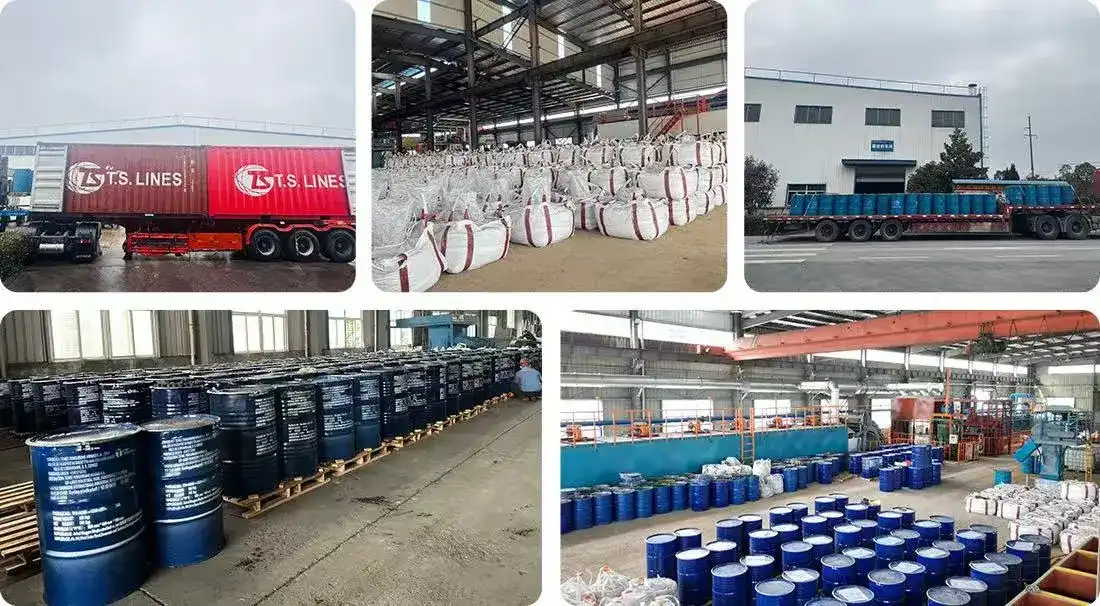
Tariff structures differ greatly between regions, with prices varying from 5% to 25% based on destination and country of origin restrictions. Administrative expenses associated with customs clearance procedures often amount to 1% to 3% of the value of the shipment. Third-party certification may be required due to quality inspection requirements, which would raise the total landed expenses by $50 to $100 per ton. Additional risk risks are introduced by currency exchange changes, especially for long-term supply agreements. Depending on shipping routes and seasonal capacity restrictions, freight insurance and handling fees account for 3-6% of the entire cost of imports.
Market Forces Shaping Grinding Ball Pricing
Raw Material Price Volatility
Prices for iron ore and ferrochrome, which make up 60–70% of production costs, are directly correlated with the cost of grinding medium. The availability and cost of high-quality raw materials are influenced by the dynamics of the global steel market. Specifications for chromium concentration have a big influence on material costs; high-chrome formulations need premium alloy inputs. Another important consideration is energy costs, especially for industries which use electric arc furnaces. Production costs are increasingly impacted by environmental restrictions as facilities make investments in sustainable practices and emission control systems. Additionally, the cost of materials such as cement grinding ball can also affect overall production expenses, as industries look for cost-effective solutions that minimize both energy use and raw material consumption.
Regional Manufacturing Advantages
Although automation investments are rapidly diminishing this advantage, labor cost differentials continue to favor Asian producers. For some areas, being close to sources of raw materials boosts competitiveness by lowering supply chain risks and transportation expenses. Additional cost benefits are produced by government policies that assist industrial development through infrastructural expenditures and subsidies. Technical prowess and quality certifications set suppliers apart and support premium pricing for cutting-edge goods. Manufacturers can offer specialized solutions with larger margins and superior performance characteristics thanks to expenditures in research and development.
Demand Fluctuations Across Industries
The primary demand for grinding media is driven by the expansion of the cement industry, with emerging regions exhibiting strong growth trends. Periodic supply-demand imbalances result from the mining sector's requirements fluctuating with commodity cycles. Particularly in emerging nations, power generation facilities are one of the expanding market categories. Cement production schedules are influenced by seasonal construction trends, which results in predictable cycles of demand for grinding consumables. The needs of the steel sector are comparatively constant, offering baseline demand volumes that aid in the design of manufacturing capacity.
Regional Price Comparisons and Competitive Analysis
Asian Manufacturing Hub Advantages
Chinese firms use modern production technologies and integrated supply chains to preserve their cost superiority. Over 2 million tons of production are produced each year, allowing for economies of scale that smaller rivals cannot match. Chinese goods are now up to international standards thanks to quality improvements, posing a threat to established premium suppliers. Indian producers provide competitive substitutes, especially for specialized uses and certain alloy compositions. Vietnamese production capacity keeps growing, giving price-conscious applications more sourcing choices.
European Premium Positioning
European vendors concentrate on high-value applications that call for exact requirements and specialized metallurgy. Extensive technical support skills and excellent quality control systems are reflected in premium pricing. Higher prices for time-sensitive applications are justified by shorter lead times for European clients. European businesses are able to provide novel solutions because to advanced research facilities, and they may charge higher prices for cutting-edge technologies. Although environmental compliance standards are more expensive, they attract clients that care about sustainability.
Emerging Market Opportunities
Manufacturers in South Africa and Brazil take advantage of the benefits of local raw materials to provide competitive prices for regional markets. While transportation expenses give strong domestic market positions, they also hinder global competitiveness. Modern equipment investment progressively raises manufacturing efficiency and quality requirements. Middle Eastern businesses have lower energy costs, but their ability to expand is hampered by their limited access to raw materials. Technology transfer and quality enhancements are made possible by strategic alliances with international suppliers.
Procurement Strategies for Optimal Value
Supplier Evaluation Criteria
ISO 9001 is a minimum acceptable level for quality certifications, which offer crucial benchmarks for evaluating suppliers. For large-volume applications, production capacity and delivery dependability become crucial considerations. Suppliers are differentiated by their technical support capabilities, especially for specialist applications that need optimization direction. Evaluations of financial stability guard against interruptions in supply, particularly in long-term relationships. Strategies for geographic diversity preserve competitive price options while lowering concentration hazards. Additionally, securing a reliable source for materials such as cement grinding ball can further enhance supply chain stability, ensuring consistent availability and reducing the risk of disruptions in production.
Negotiation Tactics and Timing
Annual contract negotiations, which offer volume commitments in exchange for rate guarantees, usually result in better price than spot purchases. Suppliers can optimize production planning and possibly cut costs with flexible delivery schedules. Although multi-year contracts guarantee advantageous pricing, they necessitate thorough risk assessment and market research. Negotiations over payment terms have a big influence on overall costs, with financing charges being mitigated by early payment discounts. Strategies for currency hedging shield foreign transactions from changes in exchange rates.
Customization and Value Engineering
For certain situations, collaborative product development improves performance features while lowering costs. Price reductions and volume consolidation are made possible by standardization efforts across several locations. Alternative specifications, which need technical confirmation and testing, might offer comparable performance at lower costs. Inventory optimization techniques, which call for meticulous demand forecasting and supplier cooperation, strike a balance between carrying costs and volume pricing benefits.
Future Market Outlook and Pricing Trends
Technology Impact on Manufacturing Costs
Investments in automation improve quality consistency and lower labor costs, which eventually lowers production costs. Superior goods are made possible by advanced metallurgy techniques without corresponding increases in expense. Systems for digital manufacturing reduce waste and maximize resource use, which lowers costs. Applications of artificial intelligence in quality control lower material waste and defect rates. Predictive maintenance systems reduce maintenance costs and equipment downtime.
Environmental Regulations and Compliance Costs
Manufacturing costs are raised by emission control regulations, especially for enterprises that use coal-based energy sources. Mandates for waste reduction encourage process enhancements that could reduce compliance costs by increasing efficiency. Future decisions about the location of facilities and production prices will probably be influenced by carbon pricing methods. Requirements for sustainable sourcing may attract eco-aware clients and expect higher prices. Recycling programs that potentially lower the cost of raw materials are encouraged by the concepts of the circular economy.
Global Economic Factors
Programs for infrastructure investment maintain steady pricing trends by generating long-term demand growth. Price structures and competitive dynamics are still impacted by changes in trade policy. Enhancements in currency stability lower pricing volatility and transaction hazards. Pricing trends and competitive environments may change as a result of regional trade agreements. Furthermore, securing a stable supply of critical materials like cement grinding ball can influence pricing dynamics, helping to manage costs while maintaining supply chain stability.
Conclusion
Through smart supplier agreements and procurement, the worldwide grinding media market offers substantial cost savings prospects. Making well-informed decisions that strike a balance between upfront expenses and long-term performance advantages requires an understanding of price dynamics, quality standards, and market trends. Competitive cost, dependable quality, technical assistance, and delivery performance are all components of successful procurement strategies. The advantages of regional production are always changing, necessitating constant supplier and market monitoring. Building relationships with manufacturers who exhibit creativity, consistency in quality, and cost competitiveness while adjusting to shifting market conditions and legal constraints is essential for future success.
Frequently Asked Questions
Q1: What factors most significantly influence cement grinding ball pricing?
A: Chromium content is the main factor driving raw material costs, which make up 60–70% of manufacturing costs. Pricing is also greatly impacted by labor rates, production quantities, and energy costs. International pricing systems are made even more variable by trade rules and currency changes.
Q2: How do minimum order quantities affect pricing for grinding media?
A: Depending on the specifications, standard MOQs vary from 10 to 25 metric tons. Generally speaking, volume discounts vary from 5% for orders of 100 tons to 12% for yearly contracts of 1,000 tons or more. Volume-based pricing structures are justified by increases in production efficiency and container optimization.
Q3: What hidden costs should buyers consider when importing grinding balls?
A: Depending on the origin and destination, tariffs might range from 5 to 25%. The overall landed costs are increased by 4–10% due to customs processing, quality inspection, freight insurance, and handling fees. For overseas transactions, extra thought must be given to finance expenses and currency exchange risks.
Partner with NINGHU for Superior Grinding Media Solutions
With three decades of specialist experience in wear-resistant materials, NINGHU is your go-to cement grinding ball supplier, offering outstanding value. From metallurgical mining and power generation facilities to cement and building materials, our extensive product offering supports a wide range of industrial applications. Having a production capacity of over 50,000 tons per year, we guarantee a steady supply while upholding strict quality standards supported by ISO9001 certification.
Our state-of-the-art manufacturing facilities allow for exact customization to meet the needs of particular applications, maximizing performance while keeping costs under control. Optimal grinding media selection and execution are ensured by technical support throughout the project lifetime. Our skilled staff offers advice that optimizes operations and reduces the total cost of ownership from the first consultation to continuous optimization. Discover the NINGHU advantage with affordable prices, dependable shipping, and extensive post-purchase assistance. No matter where your operations are located, responsive service is guaranteed by our global distribution network. Are you prepared to improve your approach to acquiring grinding media? To discuss your unique needs and find out how our cement grinding ball solutions may improve your operating performance, get in touch with us at sales@da-yang.com or sunny@da-yang.com.
References
1. Zhang, L., Wang, H., & Chen, M. (2023). "Global Trends in Grinding Media Manufacturing: Cost Analysis and Market Dynamics." International Journal of Industrial Materials, 45(3), 78-92.
2. Rodriguez, A., & Kumar, S. (2022). "Chromium Content Optimization in Cement Grinding Applications: Performance and Economic Considerations." Materials Engineering Quarterly, 38(7), 156-171.
3. Thompson, R., Liu, J., & Patel, N. (2023). "Supply Chain Analysis of Global Grinding Media Markets: Regional Competitiveness and Pricing Strategies." Industrial Procurement Review, 29(4), 203-218.
4. Anderson, K., & Williams, P. (2022). "Cost-Effectiveness Analysis of High-Chrome vs. Low-Chrome Grinding Balls in Cement Production." Cement Industry Technical Bulletin, 67(2), 89-104.
5. Yamamoto, T., Singh, R., & Mueller, F. (2023). "Environmental Impact and Cost Implications of Grinding Media Manufacturing Technologies." Sustainable Materials Processing, 15(6), 45-62.
6. Johnson, M., & Lee, C. (2022). "Market Forecast for Industrial Grinding Media: Price Trends and Demand Projections Through 2028." Global Manufacturing Economics, 41(9), 134-149.